Speech therapy practice · Viterbo
Four areas,
a path of its own for each.
I don't work to a fixed checklist of sessions. After an assessment we carry out together, we choose the right area and the right path for you or for your child.
What I work on
We go beyond
the single session.
Four distinct areas that often overlap. I follow them as a single path, not as services to tick off one at a time.
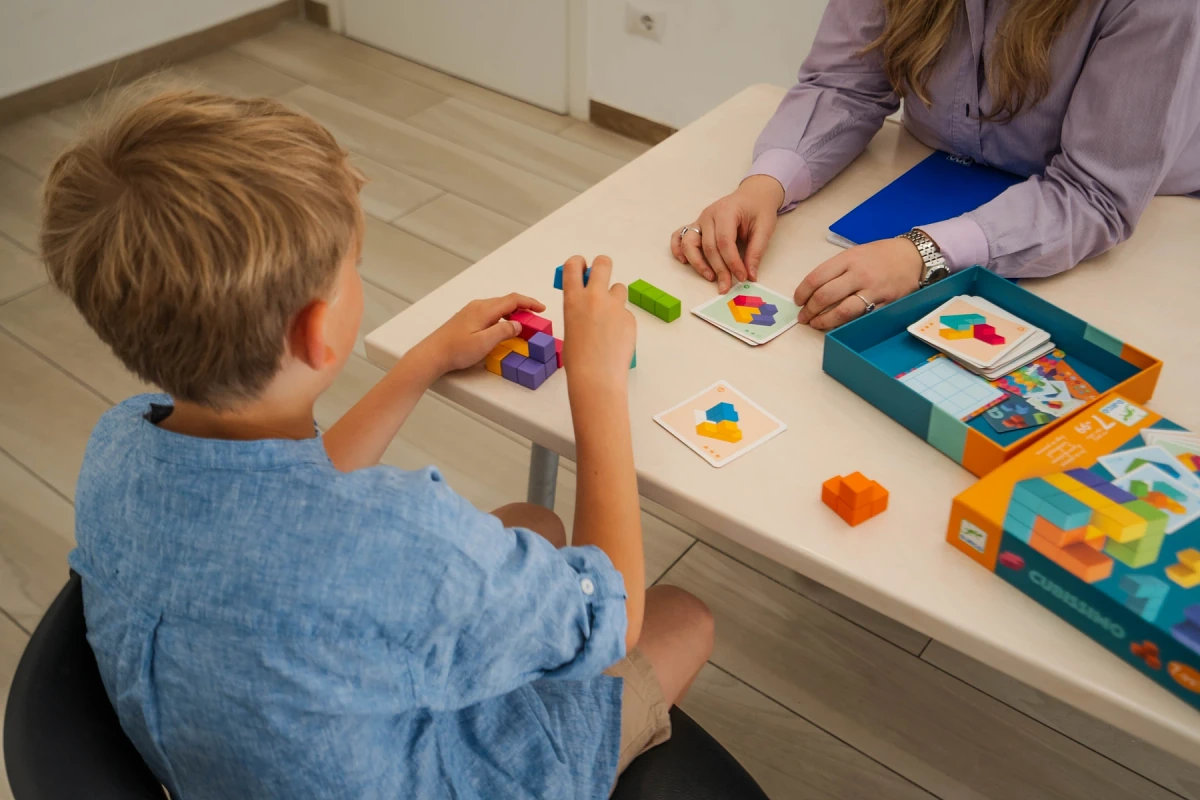
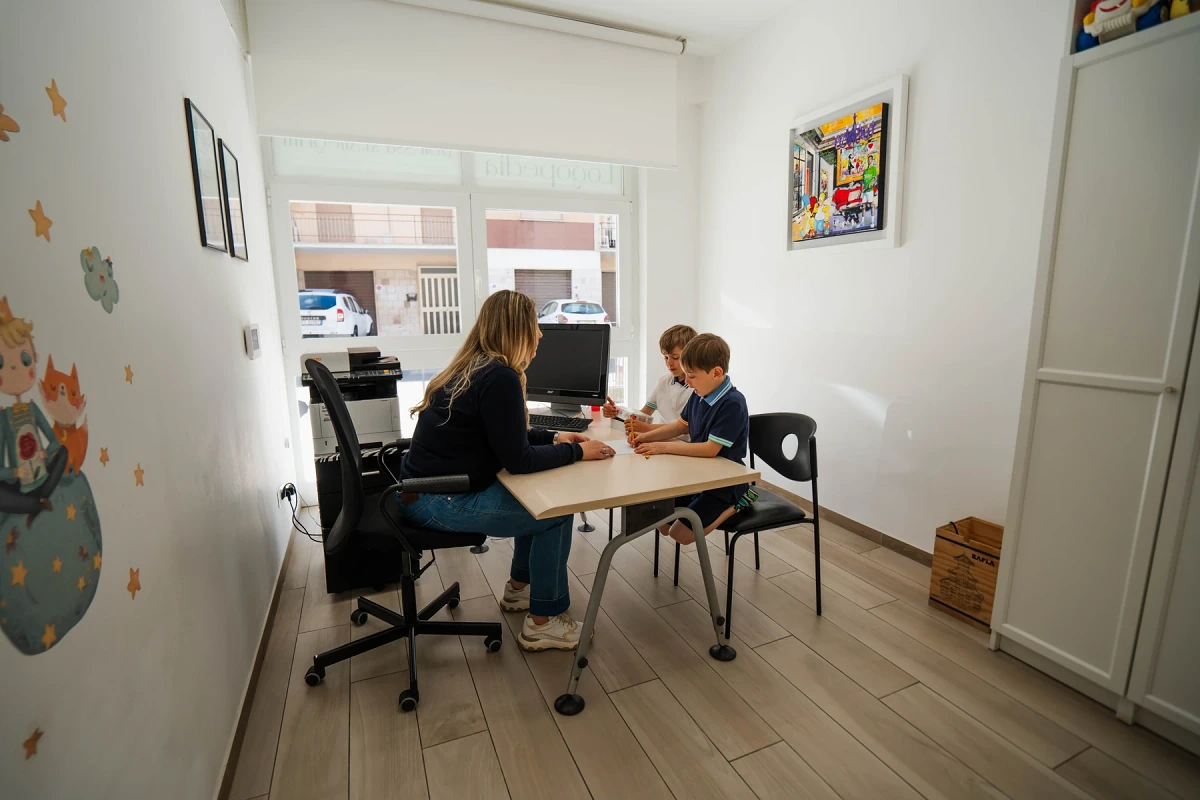
What looks like play is the method.
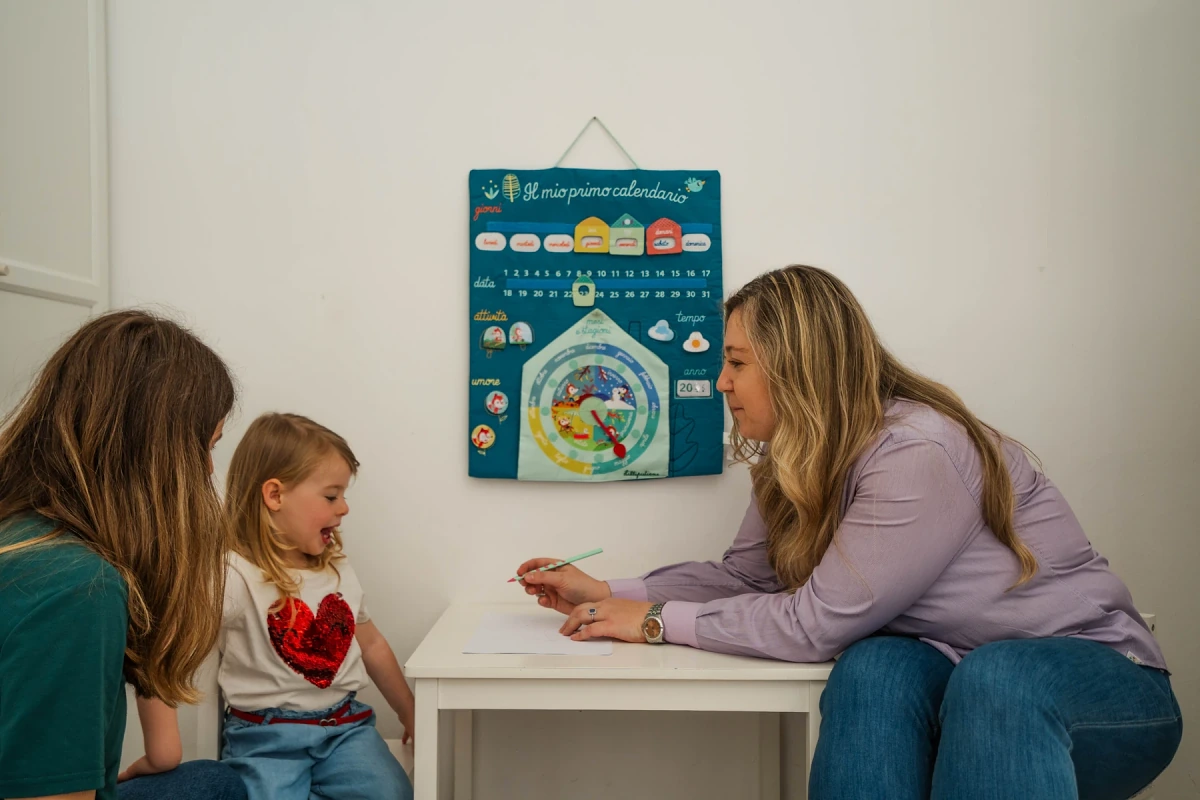
Language
When words are slow to come, or come out muddled.
Together we work on sounds, sentences and the way of communicating.
Learning difficulties
Dyslexia, dysorthographia, dysgraphia, dyscalculia. We start with an assessment,
usually over three sessions, to understand how your child learns.
Dysfunctional swallowing
The tongue pushes in the wrong way and changes the posture of the mouth.
A focused path, often alongside the orthodontist.
Voice disorders
A hoarse or tired voice that often drops.
A voice assessment, for children and adults alike.


Bilingual paths
Children growing up between Italian and English.
I work with children who have lived in two languages from the very start. Growing up bilingual is not a delay: sometimes a child seems behind in the language they use less, and that's simply how bilingualism works. The hard part is telling apart what is perfectly normal from what genuinely needs support.
I trained at the International School EC in San Francisco. I run both the assessment and the path in Italian or in English, in whichever language puts your child most at ease, without ever asking them to give up the other. In Viterbo and across the Tuscia, I'm the only speech therapist to have documented this as a specific area of work.

For adults too
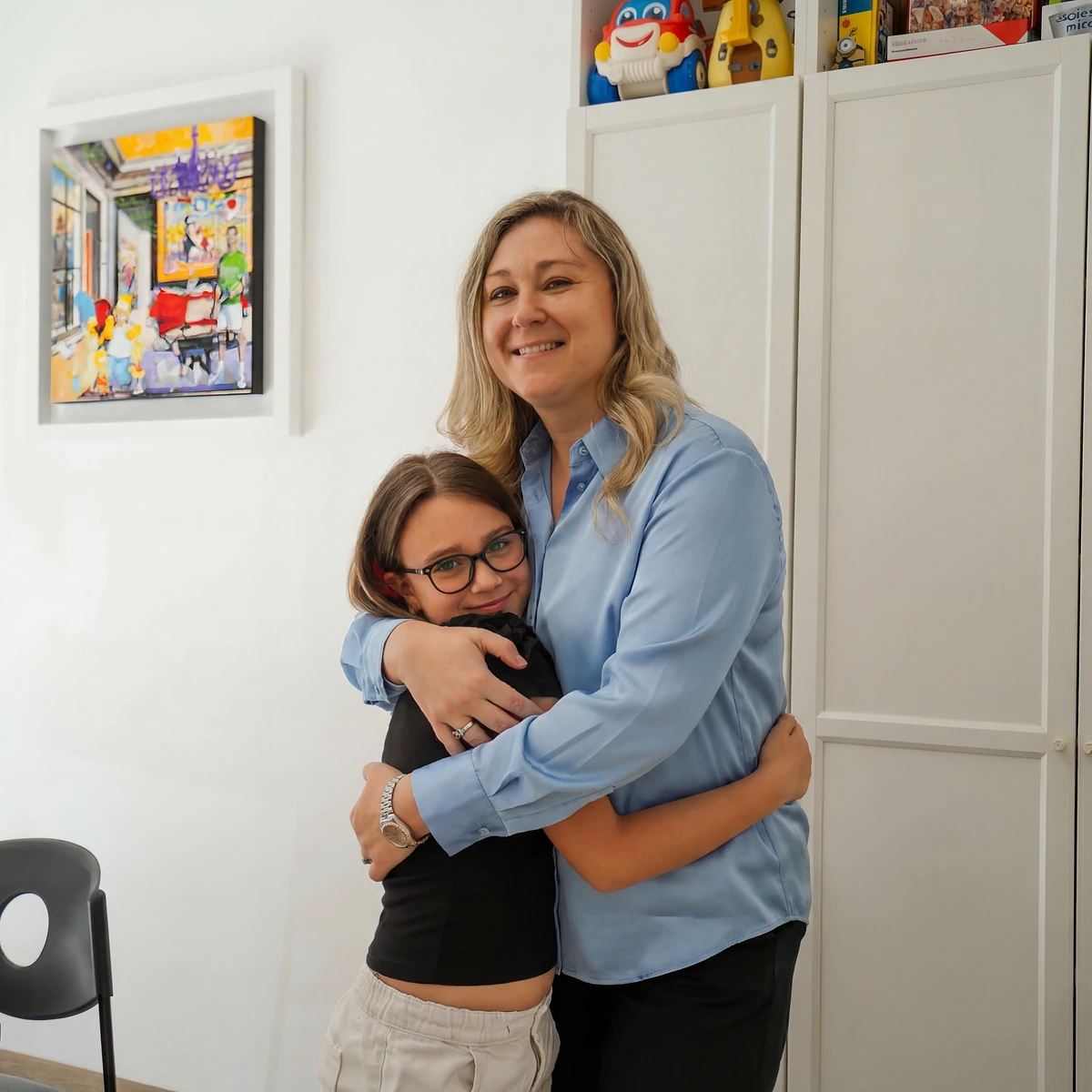
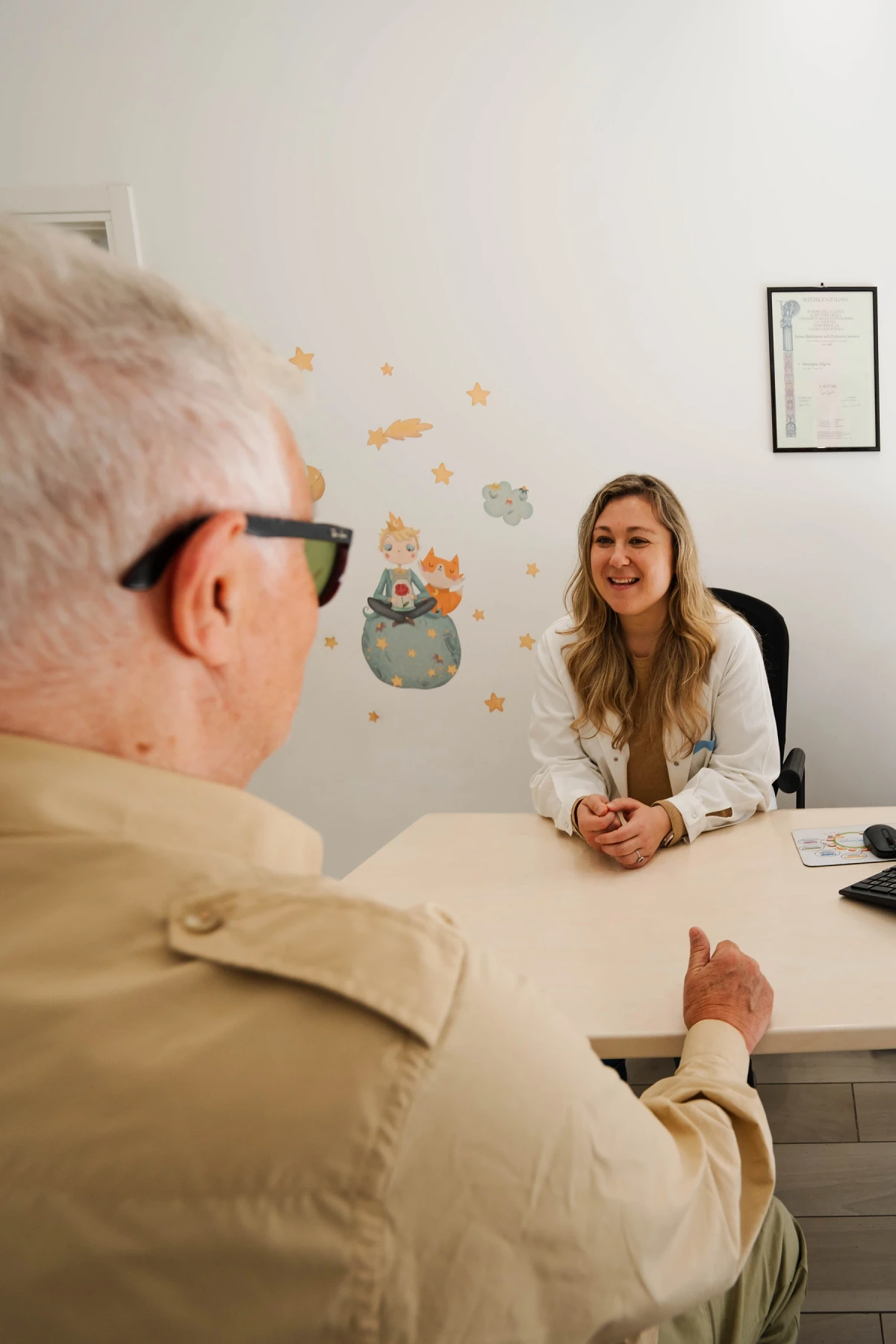
Speech therapy isn't only for children.
I work with adults as well: some come of their own accord, others on a doctor's referral. The path is built around the individual person, and when needed I carry it forward in coordination with the other professionals looking after them.
-
Voice disorders
A voice that drops, tires out, and by evening sometimes almost fades away. It often affects people who use their voice for work, or those recovering after an acute episode. We start with a voice assessment, to understand where the strain is coming from.
-
Swallowing
In adults too, dysfunctional swallowing is often linked to orthodontic treatment. The tongue has to be retrained to its correct position, and the work goes hand in hand with the dentist's. It's an area that calls for patience and consistency.
-
After neurological conditions
The speech or voice difficulties that remain after a neurological event. I assess them case by case, always alongside the doctor following the person. It isn't my main area: if we talk it over first, I'll tell you honestly whether I can be of help.
AI, with method
Artificial intelligence as an extension, not a replacement.
Artificial intelligence is now an undeniable part of everyday life: we can decide whether to ignore it or not, but only once we understand it well.
-
Independent study
In a rehabilitation setting, easy-to-use tools for children and teens that back up and support independent study.
-
Working past difficulties
Learning platforms and apps help work past the difficulties that so often lead to frustration and a drop in self-esteem. The therapist supports, guides and teaches how to use these tools properly, for real progress at school.
-
Well-built prompts
AI can be a tool for improving the way we work: it takes the right skills to write good prompts, so that the system gives back sound answers that genuinely support the student.
An assessment, together.
A couple of lines are enough. I read them myself and write back so we can arrange a first meeting, at your own pace.
Message on its way.
Thank you for getting in touch,
I will reply as soon as possible.
Find your path
Not sure where to start?
Every path has its own route, whether it's for a child or an adult. An initial assessment makes clear where to begin and how to move forward.